The global shift toward sustainable agriculture has led to an increased demand for organic fertilizers, making liquid cow dung fertilizer plants a profitable business opportunity. Cow manure, when converted into liquid fertilizer, serves as an eco-friendly and highly effective solution for improving soil fertility. However, before diving into such an investment, understanding the costs involved and the potential returns is essential.
Understanding Liquid Cow Manure Fertilizer Making
Liquid cow manure fertilizer production involves the processing of raw cow dung into a liquid form through fermentation or composting. This liquid fertilizer is rich in essential nutrients like nitrogen, phosphorus, potassium, and micronutrients, which are crucial for plant growth. The conversion process typically includes mixing the manure with water and allowing it to decompose or ferment for a period, often with the addition of microbial agents to enhance nutrient release. The final product is then filtered and stored for use or sale. Learn more.
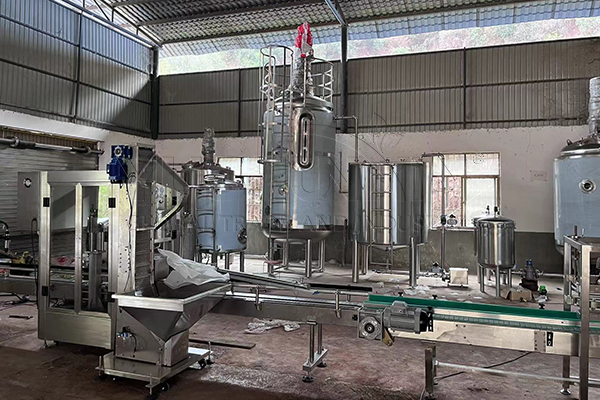
Liquid Cow Manure Fertilizer Plant Cost
The invesment of setting up a liquid cow manure fertilizer plant involves several key costs. Initially, there is the capital investment required for land, infrastructure, and equipment. This includes mixing tanks, fermentation chambers, filtration systems, and storage facilities. Depending on the scale of the operation, this initial investment can range from $50,000 to $200,000.
In addition to the capital costs, there are ongoing operating costs that include labor, raw materials, and maintenance. Labor costs will depend on the location and the size of the plant, while raw materials mainly consist of the cow manure itself, which is often sourced from local dairy farms. The cost of manure disposal is generally low, especially if you can obtain manure at no charge or even receive payment for disposal services. This can significantly lower operational costs and improve profit margins.
Cow Manure Disposal as a Cost-saving Advantage
One of the hidden advantages of operating a liquid cow manure fertilizer plant is the opportunity to save on cow manure disposal. Many farms and dairy producers struggle with the accumulation of manure, which can create environmental issues if not properly managed. By setting up a liquid fertilizer plant, these producers can convert waste into a valuable product, providing them with an additional income stream while simultaneously reducing disposal costs.
Return on Investment (ROI)
The profitability of a liquid cow manure fertilizer plant largely depends on market demand, production efficiency, and the price at which the liquid fertilizer is sold. On average, a well-managed operation can expect an ROI within 2-3 years. The demand for organic fertilizers has been increasing due to the growing trend of sustainable farming practices, making liquid cow manure fertilizer a sought-after product.
The price of liquid fertilizer can vary, but on average, it can be sold at $1 to $3 per liter, depending on the market and quality. If the plant produces 500,000 liters annually, it could generate revenue of $500,000 to $1.5 million, making it a potentially lucrative business.
A liquid cow dung fertilizer plant can be a profitable venture, especially with the growing demand for organic farming solutions. With relatively low raw material costs, the ability to offer manure disposal services, and strong market potential for liquid fertilizers, the business offers attractive returns. However, like any investment, careful planning, cost management, and market research are essential to achieving a positive ROI. If you need a business plan, you can visit https://fertilizerequipmentmanufacturer.com/how-to-make-liquid-fertilizer-from-cow-dung/